

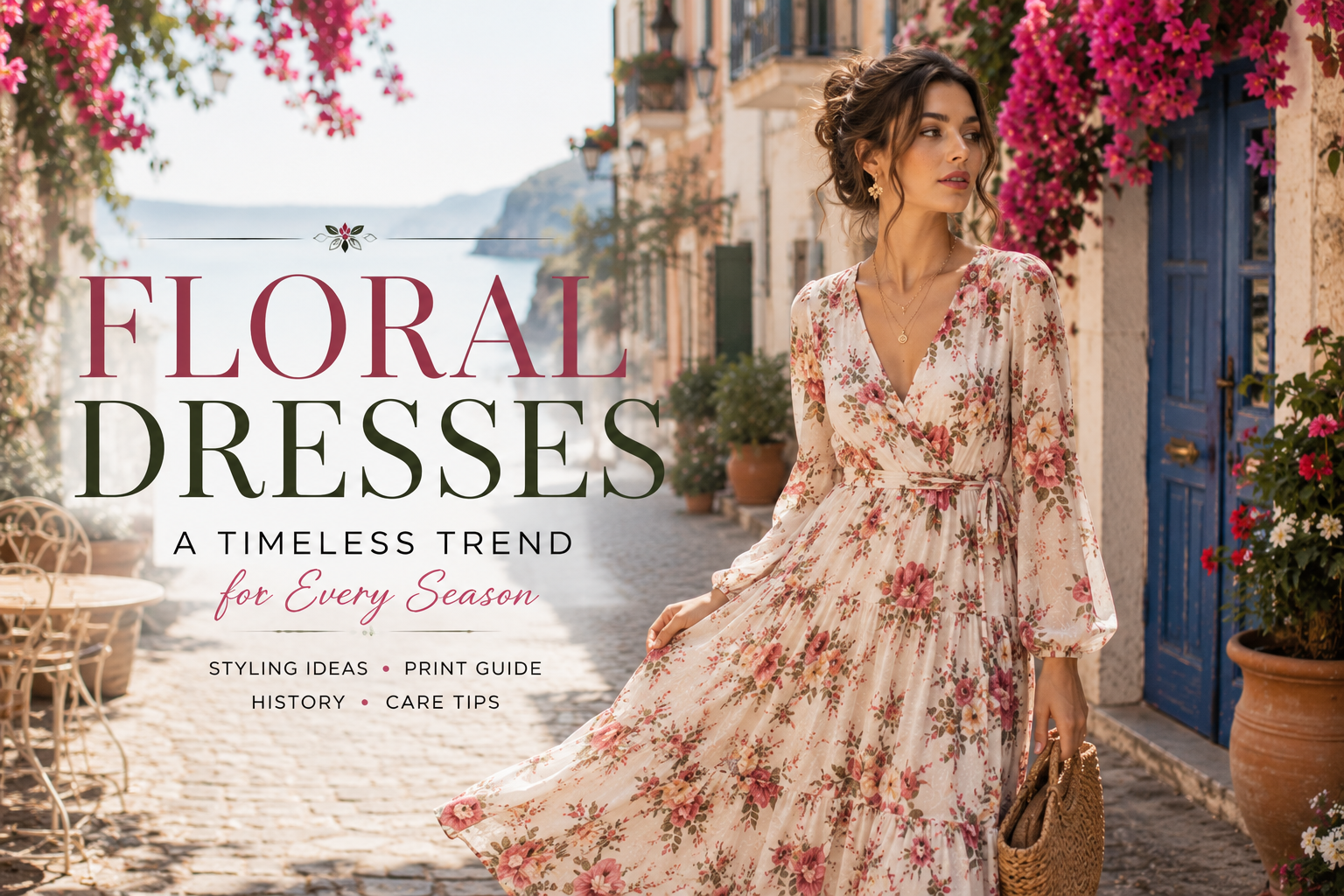
Floral Dresses: A Timeless Trend for Every Season
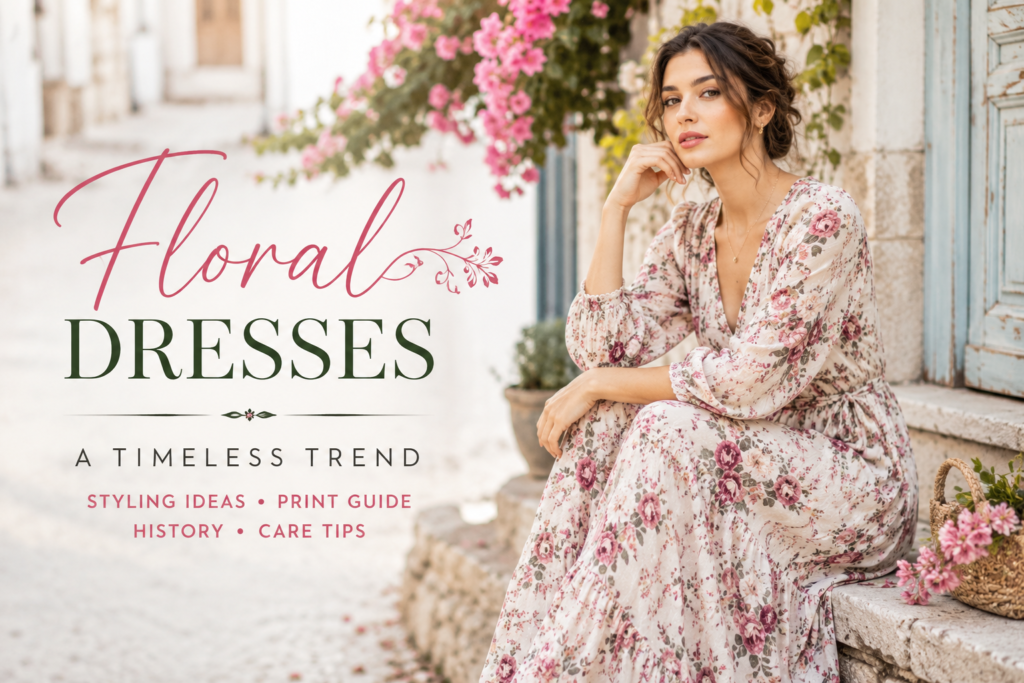
There’s something about a floral dress that never really goes out of style. Whether it’s a delicate ditsy print for a spring picnic or a bold, oversized bloom for a summer wedding, floral dresses have a way of feeling both classic and current at the same time. They show up on runways, in office closets, and at weekend markets alike — proof that a good print can outlast almost any trend cycle. From the exact cut and fabric to the way it’s accessorized, a floral dress can be endlessly reinvented, which is exactly why it remains one of the most reached-for pieces in so many wardrobes. Here’s a closer, more complete look at why florals endure, the many forms they take, and how to wear them well in any season or setting.
A Print with Staying Power
Floral patterns have been part of fashion for centuries, appearing in everything from hand-painted silk gowns to cotton day dresses to today’s runway collections. Part of their appeal is versatility: florals can be soft and romantic, or graphic and modern, depending on the scale, color palette, and fabric. That adaptability is exactly why they keep resurfacing season after season instead of fading into a passing trend. Unlike some prints that feel tied to a specific decade, florals simply evolve — the same basic idea reinterpreted again and again in fresh colors and silhouettes. Designers return to the print because it can be recolored, rescaled, and reshaped to match whatever mood a collection is going for, from delicate and ladylike to loud and maximalist.
A Quick Walk Through Floral Fashion History
Florals have looked different in every era, which is part of why the print still feels endlessly renewable:
- 1930s–1940s: Soft, small-scale florals on tea-length dresses, often paired with cinched waists, puffed sleeves, and modest necklines — a reflection of the era’s more conservative silhouettes.
- 1960s: Bold, saturated “flower power” prints tied to the counterculture movement, often in mod, geometric arrangements and paired with shorter hemlines.
- 1970s: Bohemian prairie dresses with sprawling floral patterns, flowing sleeves, and an earthy color palette, often worn with wide-brim hats.
- 1990s: Grunge-influenced florals — slip dresses paired with combat boots and cardigans for a softer-meets-edgier look.
- 2000s: Playful, high-contrast florals often seen on babydoll dresses and paired with denim jackets.
- 2010s–today: A cottagecore-influenced revival alongside maximalist, oversized florals on modern runways, plus growing interest in florals made from sustainable or deadstock fabrics.
Each era reinterprets the same idea — flowers on fabric — through the lens of its own culture, which is a big part of why florals never really disappear.
Popular Floral Dress Styles to Know
Not all floral dresses are built the same way. Knowing the main style categories makes it easier to shop with intention:
- Wrap dress: Ties at the waist and wraps across the body, which makes it easy to adjust for fit and generally flattering on most body types.
- Tea dress: A vintage-inspired, knee-length style with a fitted bodice and a slightly full skirt — polished without being formal.
- Sundress: Lightweight, often sleeveless or with thin straps, and designed for warm weather and casual settings.
- Maxi dress: Floor- or ankle-length, ideal for vacations, outdoor events, or anyone who prefers more coverage.
- Slip dress: A bias-cut, minimalist silhouette, often in satin, that can be dressed up or down depending on the occasion.
- Fit-and-flare: Fitted through the bodice and waist with a flared skirt — a classic, universally flattering shape.
- Corset-style: A more structured, fitted bodice (sometimes with boning or a sweetheart neckline) for a dressier, going-out look.
Why Floral Dresses Work So Well
- Instant polish. A floral dress often does the styling work for you — the print provides visual interest, so you don’t need to layer on extra accessories to look put together.
- Season flexibility. Lighter, pastel florals feel right for spring and summer, while deeper jewel-toned or dark-background florals transition easily into fall and winter.
- Flattering silhouettes. Because florals are so common, they come in nearly every cut imaginable, making it easy to find one that suits your body shape and comfort level.
- Mood-lifting color. Floral prints tend to include multiple colors in one garment, which makes them easy to build a whole outfit’s palette around.
- Forgiving for travel. Printed fabrics tend to hide minor wrinkles better than solid colors, which makes floral dresses a practical option for packing.
Styling Floral Dresses for Different Occasions
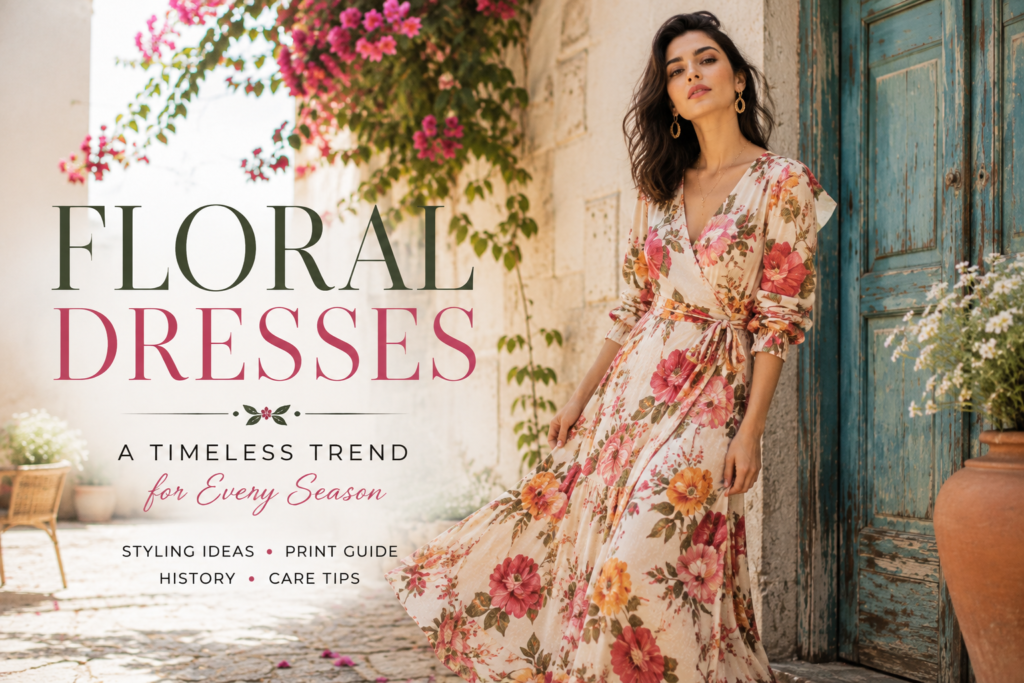
Casual daytime: Pair a shorter or midi floral dress with sneakers or flat sandals and a denim jacket for an easy, run-errands-to-brunch look.
The office: Choose a floral dress in a structured silhouette with a smaller-scale print, then add a blazer and low heels to keep things polished.
Wedding guest: Look for a midi or maxi length in a richer color palette, and elevate it with strappy heels and delicate jewelry.
Evening or date night: A floral dress with a fitted waist or slightly dressier fabric (like satin or silk-blend) can move easily from day to evening with the right accessories — think a clutch and heeled sandals.
Vacation or resort wear: A flowy maxi floral dress is practically made for warm-weather travel — breathable fabric, minimal ironing required, and it photographs beautifully. Pair with flat sandals and a woven bag for an effortless resort look.
Garden party or baby shower: A tea-length or midi floral dress in a soft palette fits the setting perfectly — add a light cardigan or shrug if the event runs into the evening.
Outdoor festival or event: A shorter, breathable floral dress paired with ankle boots or trainers strikes a balance between comfort and style for a day spent on your feet.
Choosing the Right Floral Print
- Scale: Petite frames often look great in smaller, ditsy florals, while larger prints can look striking on taller or fuller figures — though this really comes down to personal preference rather than a hard rule.
- Color: Consider your skin tone. Warm-toned florals (corals, mustards, olive greens) tend to complement warmer complexions, while cool-toned florals (blues, purples, jewel tones) often suit cooler undertones.
- Background color: A dark background (navy, black, burgundy) can feel more versatile and season-spanning than a white or pastel background, which leans more spring/summer.
- Fabric weight: Lightweight cotton or chiffon suits warm weather, while a heavier crepe or ponte knit floral can work for cooler months.
Florals Through the Seasons
Spring: Pastel and mid-tone florals on light fabrics like cotton or linen feel fresh and seasonally appropriate. Pair with a light cardigan for cooler mornings.
Summer: Bright or tropical-inspired florals on breathable fabrics work well, especially in sundress or maxi silhouettes that keep you cool.
Fall: Look for florals with darker backgrounds, richer color palettes (rust, burgundy, olive), and slightly heavier fabrics — paired with boots, tights, and a leather jacket, a floral dress can transition easily into autumn.
Winter: Floral dresses aren’t just a warm-weather item — a dark-background floral in a heavier fabric, layered with tights, boots, a turtleneck underneath, and a wool coat, can work well for winter, especially for holiday gatherings.
Mixing Florals with Other Prints
For those who want to push their styling a bit further, florals can be paired with other patterns if the scale and color palette are handled carefully:
- Pair a small floral print with a larger, simpler pattern (like wide stripes) rather than two similarly busy prints.
- Stick to a shared color within both patterns — for example, a floral dress with navy accents paired with navy-and-white stripes.
- Use solid pieces (a blazer, cardigan, or bag) to break up two patterns and keep the overall look balanced.
Accessorizing Tips
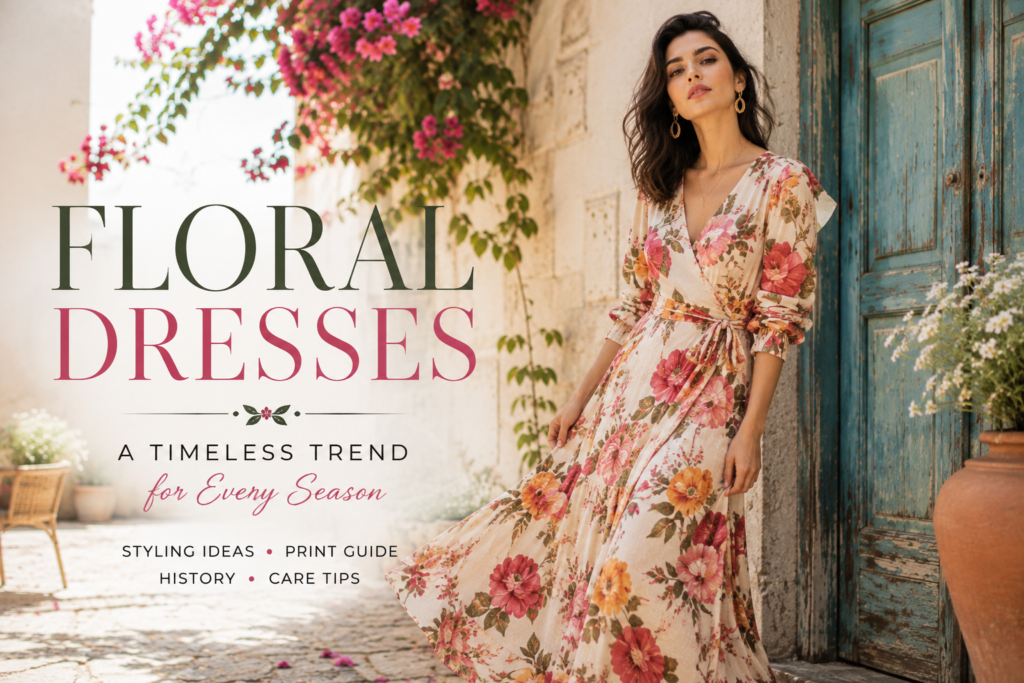
Since florals are already busy visually, simple accessories usually work best. A single statement piece — like a pair of hoop earrings or a structured bag — is often more effective than piling on multiple prints or patterns. Neutral shoes (nude, white, tan, or black) let the dress remain the focal point, while metallic or colorful shoes can pick up on one of the dress’s accent tones for a more curated look. For hair and makeup, a simple approach — soft waves, a low bun, or a natural makeup look — tends to let the print take center stage without competing for attention.
Building a Versatile Floral Wardrobe
If you’re investing in more than one floral piece, it helps to think about variety rather than duplication:
- One lightweight, pastel floral for spring and summer
- One dark-background floral that can transition into fall and winter
- One dressier floral (silk, satin, or a more tailored cut) for evening occasions
- One casual, everyday floral in a low-maintenance fabric like cotton
This kind of mix means you’ll always have an appropriate floral option no matter the season or occasion, rather than several pieces that all serve the same purpose.
Common Styling Mistakes to Avoid
- Over-accessorizing: Adding too many bold pieces can compete with the print instead of complementing it.
- Ignoring proportion: A very full, voluminous floral dress can overwhelm a petite frame — belting the waist often helps balance the silhouette.
- Wrong season, wrong print: A heavy, dark-background floral in winter-weight fabric can look out of place at a summer event, and vice versa — matching the print’s mood to the season keeps the look cohesive.
- Skipping tailoring: Floral dresses are often sold in fairly standard cuts, so a quick tailoring adjustment (hem, waist) can make a real difference in how polished the final look feels.
Caring for Floral Dresses
Many floral dresses are made from lightweight fabrics like cotton, chiffon, or rayon, which can be delicate. Always check the care label, but as a general rule:
- Hand wash or use a gentle machine cycle in cold water
- Avoid wringing the fabric; lay flat or hang dry
- Store on a padded hanger to help maintain the shape of the shoulders and sleeves
- Steam rather than iron delicate florals when possible, especially on chiffon or rayon, to avoid flattening texture or leaving shine marks
Frequently Asked Questions
Can floral dresses be worn in winter? Yes — a dark-background floral in a heavier fabric, layered with boots, tights, and outerwear, works well for colder months.
What shoes go best with a floral dress? Neutral shoes are the safest choice for versatility, but metallic or colorful shoes can highlight an accent color in the print for a more styled look.
Are floral dresses appropriate for job interviews? A small-scale, structured floral dress in a conservative cut can work for many workplaces, though it’s worth considering the specific industry and company culture.
Final Thoughts
Floral dresses endure because they manage to be both easy and expressive — a single piece that can look effortless for a daytime outing or dressed up for something special. With so many prints, cuts, colors, historical influences, and styling approaches to draw from, there’s likely a floral dress — or several — to suit just about every taste, body type, season, and occasion.