

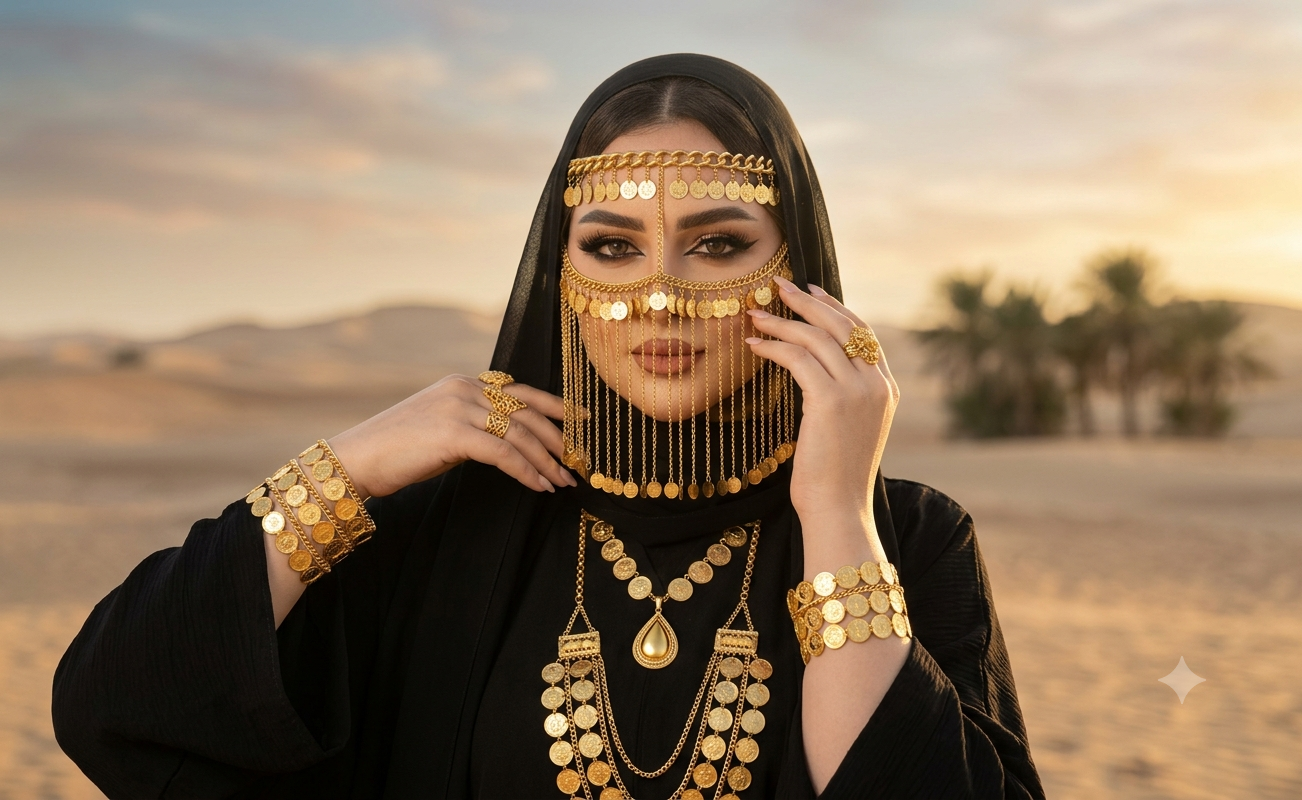
Meta Description: Explore Egyptian traditional dress, from the ancient galabeya to modern styling, and discover how these timeless garments still influence fashion today.
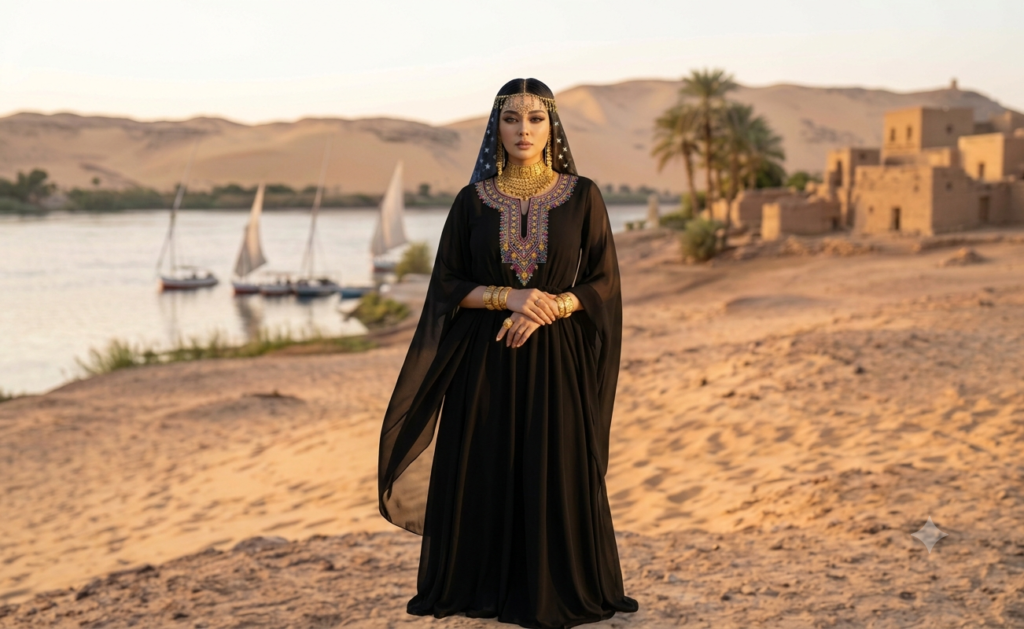
Egyptian Traditional Dress: A Journey Through Style and Heritage
Long before global fashion trends existed, Egypt was already shaping how the world thinks about clothing, texture, and craftsmanship. From the flowing linen garments of the pharaohs to the vibrant embroidery still worn in villages today, Egyptian traditional dress tells a story of climate, culture, and identity that spans thousands of years.
In this article, we’ll explore the roots of Egyptian traditional clothing, the key garments that define it, and how these pieces continue to influence modern fashion both in Egypt and around the world.
The Origins of Egyptian Traditional Dress
Egyptian clothing has always been shaped by two things: the region’s hot desert climate and its deep cultural traditions. Ancient Egyptians favored lightweight linen, woven from flax, which kept them cool while allowing for elaborate pleating and draping — a technique still admired for its craftsmanship today. Clothing also carried social meaning; fabric quality, color, and adornment often signaled status, profession, or region.
As centuries passed and Egypt absorbed influences from Nubian, Ottoman, Bedouin, and Islamic cultures, its traditional dress evolved into the richly varied styles recognized today, differing from Cairo’s urban styles to the embroidered garments of rural Upper Egypt and the desert-adapted clothing of Bedouin communities.
Key Garments in Egyptian Traditional Dress
The Galabeya
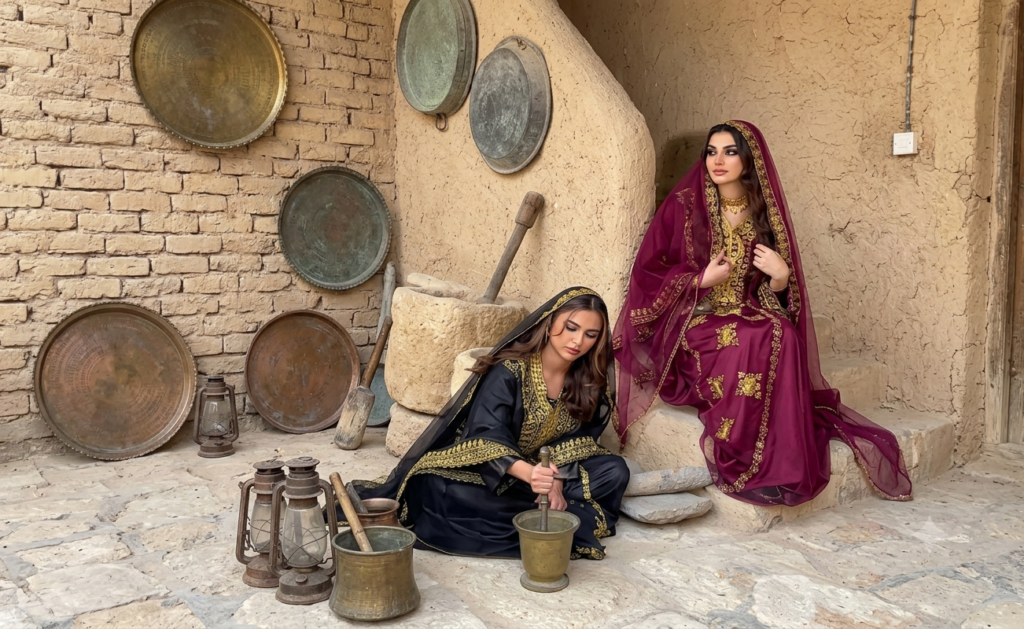
The galabeya (also spelled gallabiya or jalabiya) is perhaps the most iconic piece of Egyptian traditional dress. This loose, flowing robe — typically ankle-length with long sleeves — is worn by both men and women and remains common in everyday village life. Men’s galabeyas are often simple and solid-colored, while women’s versions frequently feature embroidery, bright colors, and decorative trims, especially for special occasions.
The Melaya Leff
Historically worn by women in urban areas like Cairo and Alexandria, the melaya leff is a large black wrap traditionally draped elegantly over the body. While less common in daily wear today, it remains a recognizable symbol of early-20th-century Egyptian style and occasionally appears in folkloric dance performances.
Bedouin Dress
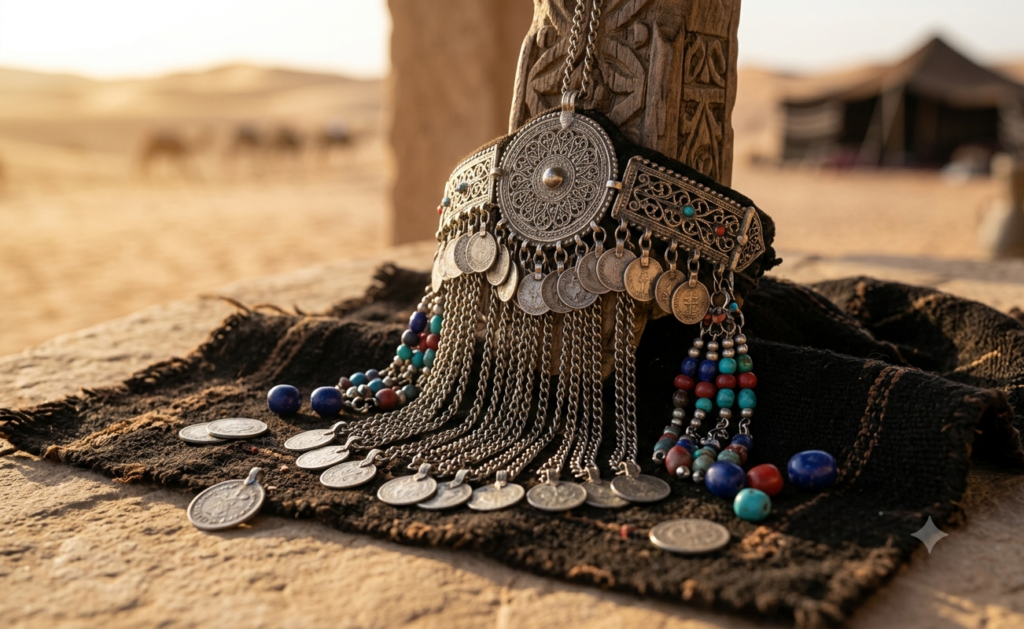
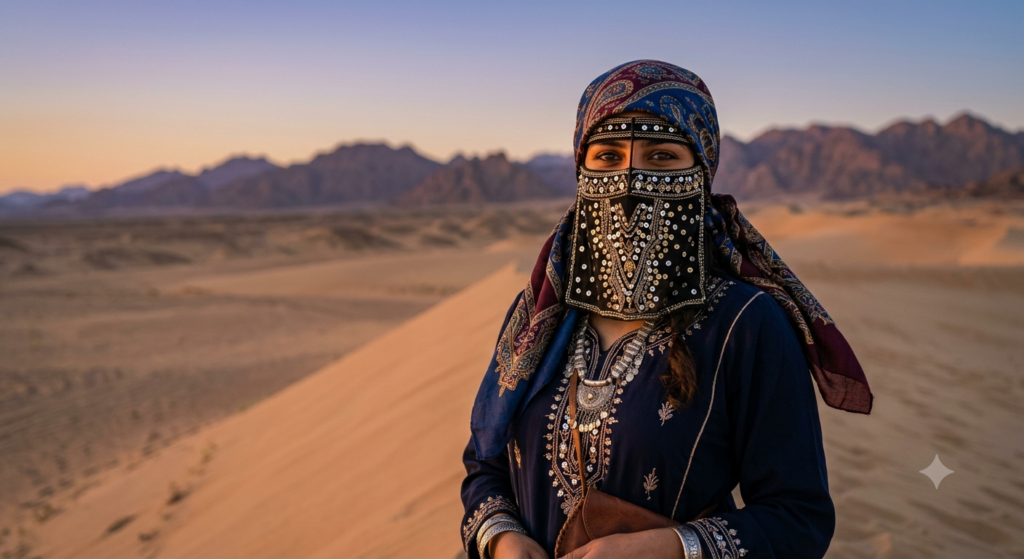
Bedouin communities in Egypt’s desert regions have their own distinct traditional clothing, often featuring dark, richly embroidered dresses with intricate cross-stitch patterns unique to each tribe. These garments are frequently paired with detailed silver jewelry, and the embroidery patterns themselves often carry symbolic or regional meaning passed down through generations.
Nubian Traditional Clothing
In southern Egypt, Nubian traditional dress is known for its vibrant colors and distinct patterns, differing noticeably from the more muted tones common in other regions. Bright, patterned fabrics and specific styles of head coverings reflect Nubia’s unique cultural identity within Egypt.
Headwear and Accessories
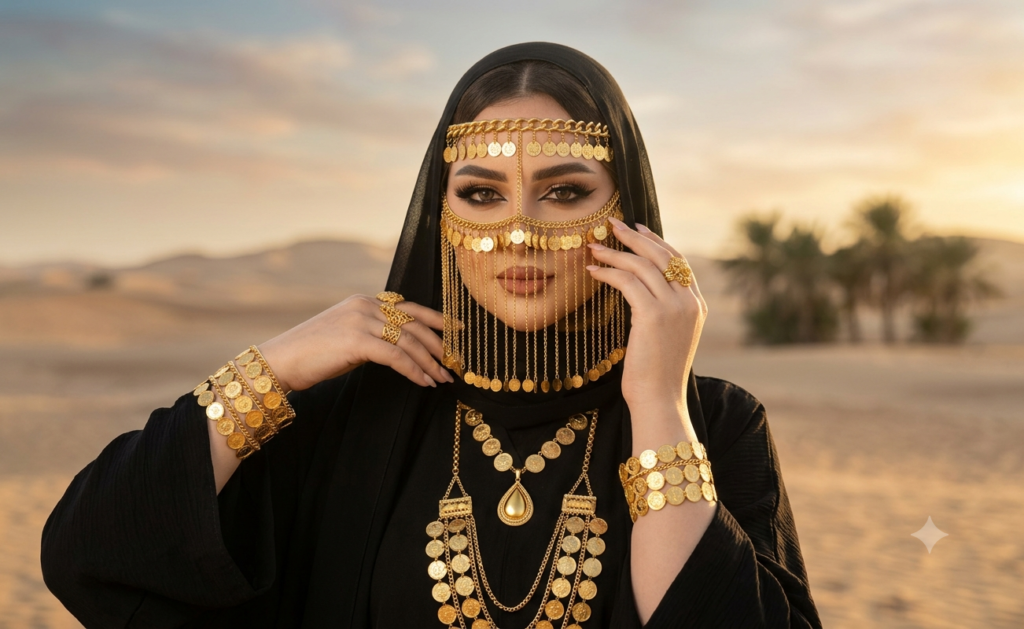
Traditional Egyptian dress is often completed with distinctive headwear. The hijab and tarha (a lightweight veil) are common among women, while men in some regions traditionally wear the imma, a wrapped turban, especially in rural and older generations. Jewelry, particularly silver and gold pieces with regional motifs, plays an important role in both everyday and ceremonial dress.
Egyptian Traditional Dress for Special Occasions
Weddings, religious celebrations, and folkloric performances often showcase the most elaborate versions of Egyptian traditional dress. Wedding galabeyas, for instance, are frequently made with luxurious fabrics, heavy embroidery, and beadwork, transforming an everyday garment into a striking ceremonial piece. Folkloric dance troupes, especially those performing traditional Saidi or Nubian dances, also wear highly decorated versions of regional dress to celebrate their heritage on stage.
The Influence of Egyptian Dress on Modern Fashion
Egyptian traditional dress hasn’t stayed confined to history books or village life — it continues to shape contemporary fashion in meaningful ways.
- Global runway influence: Designers have repeatedly drawn inspiration from ancient Egyptian silhouettes, pleating techniques, and gold accents.
- Modest fashion movement: The modern modest fashion industry often references the flowing, elegant lines of traditional Egyptian garments like the galabeya.
- Everyday wear revival: Younger Egyptian designers are reworking the galabeya into modern loungewear and resort wear, blending tradition with contemporary cuts.
- Cultural pride in fashion: Egyptian traditional dress is increasingly worn intentionally at cultural events and celebrations as a way of preserving and showcasing heritage.
How to Incorporate Egyptian-Inspired Style Today
You don’t need a formal occasion to appreciate Egyptian-inspired fashion. A few ways it shows up in modern wardrobes:
- Linen and lightweight fabrics for warm-weather dressing, echoing ancient Egyptian textile choices
- Kaftan-style dresses, a close cousin to the galabeya, now common in resort and summer fashion worldwide
- Statement gold jewelry, inspired by ancient Egyptian design, remains a popular accessory trend
- Embroidered details, borrowed from Bedouin and Nubian techniques, appearing in boho and artisanal fashion lines
FAQ
What is the traditional dress of Egypt called? The most widely recognized traditional garment is the galabeya, a loose-fitting robe worn by both men and women, though regional dress varies significantly across Bedouin, Nubian, and urban communities.
Do Egyptians still wear traditional dress today? Yes, particularly in rural areas, during religious and cultural celebrations, and within specific communities like Bedouin and Nubian populations, though Western-style clothing is more common in daily urban life.
What fabrics are traditionally used in Egyptian dress? Linen has historically been central to Egyptian clothing due to the climate, while cotton, a major Egyptian export, is also widely used in traditional and modern garments alike.
Is the galabeya only worn in Egypt? While closely associated with Egypt, similar loose robes are worn across parts of the Middle East and North Africa, though styling, embroidery, and cultural significance vary by region.
Final Thoughts
Egyptian traditional dress is far more than historical costume — it’s a living reflection of the country’s climate, craftsmanship, and cultural diversity, from the pleated linen of ancient pharaohs to the vividly embroidered garments of Bedouin and Nubian communities today. As modern fashion continues to draw from these deep roots, Egyptian traditional dress remains a powerful reminder of how style and heritage stay connected across generations.